
Specialist online psychiatry, with the attention of a small practice.
Online medication management for complex, chronic, and dual-diagnosis conditions in 10 states, plus therapy in Illinois, Texas and Florida — covered by major insurance, and built around a care team that actually answers.













Access to quality mental health care shouldn't mean long waitlists, rushed visits, or being passed between strangers. We remove those barriers — and stay with you.

Serious care, made genuinely accessible.

Evidence-based by design
Medication management — and therapy in Illinois, Texas and Florida — grounded in clinical evidence, not guesswork or one-size protocols.
Your insurance, accepted
In-network with major commercial plans, Medicare accepted for psychiatry, and your benefits verified before the first visit.
Care across 10 states
Fully online psychiatry from providers licensed or registered to treat patients in your state, plus therapy in Illinois, Texas and Florida.
A small practice that answers
Direct, responsive communication with the very people who are treating you.

Three steps to feeling heard
Request & complete intake
Tell us what you need and finish secure intake forms online — before your first visit, on your schedule.
Meet your provider
Connect by secure video with a psychiatric provider licensed or registered to treat patients in your state (therapists in Illinois, Texas and Florida) — and build a real plan together.
Stay connected
Follow your plan with virtual follow-ups and secure messaging between visits — no waiting weeks to be heard.
What it’s like to see an online psychiatrist
Seeing an online psychiatrist (sometimes called a telehealth psychiatrist) works the same way as an office visit — a private, face-to-face conversation with a board-certified psychiatrist or psychiatric NP or PA — except you join by secure, HIPAA-compliant video from home. Your provider takes a full history, makes a diagnosis, and builds a treatment plan with you. Prescriptions are sent electronically to your pharmacy, and you can message your care team between appointments.
Telepsychiatry is not a lighter version of psychiatric care: research on telepsychiatry’s effectiveness consistently finds outcomes comparable to in-person treatment for most outpatient conditions — and many patients find virtual visits easier to keep, which is often what makes treatment work. New to it? Here is what telepsychiatry is and how it works.
As a fully virtual practice, we offer online medication management — paired with individual therapy in Illinois, Texas and Florida only — for everything from depression and anxiety to complex and co-occurring conditions, wherever you are in our 10 states.
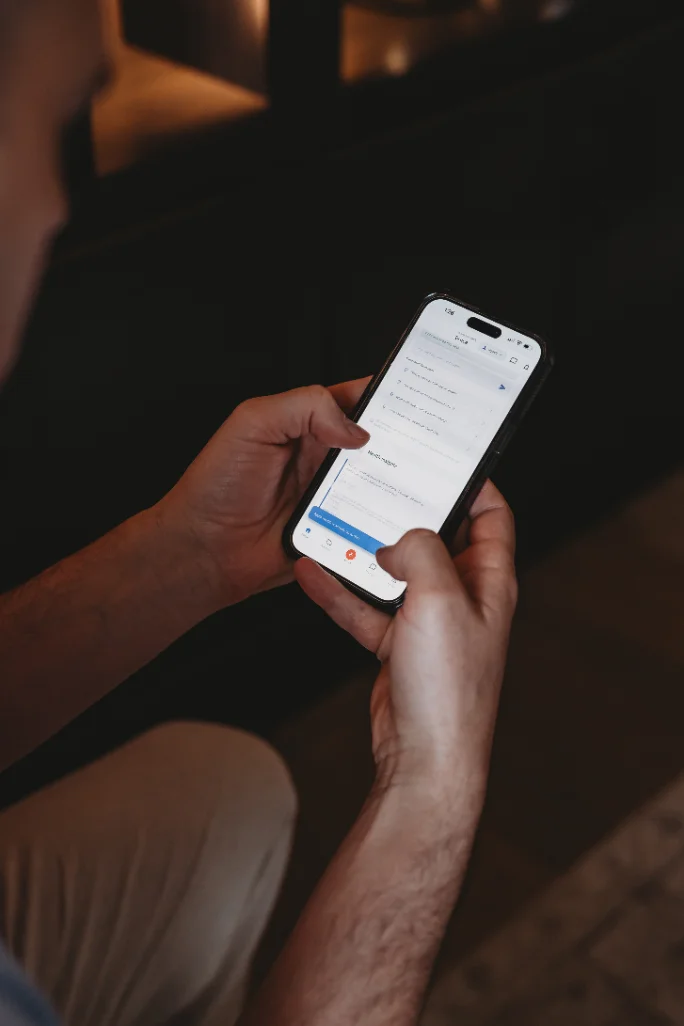
All your records in one place — for true continuity of care
Consolidate your history, results, and medications in a single secure record — so every provider sees the full picture and nothing falls through the cracks. This helps us provide better, holistic, person-centered care.

From everyday struggles to the most complex diagnoses
We treat the underlying causes, not just the symptoms — and we take the cases that need more time and expertise.

Tools to support you — free for patients and everyone
Reading and tools to support your mental health, free to use whether you're a patient or just getting started.

Mental Health Articles
Practical, evidence-based writing on anxiety, depression, medication, and everyday wellbeing — straight from our care team.
Read the articles
Anxiety CBT Course
A guided course drawing on CBT, ACT & REBT to help you understand and work through anxiety — at your own pace, on your own time.
Start the course
Free Mental Health Assessment
Take a quick, confidential assessment to get a clearer picture of your mental health — and a sense of the right next step for you.
Take the assessment
Online psychiatry in 10 states
All care is delivered online by providers licensed or registered to treat patients in your state. Join from anywhere within state lines, as long as you're in the state for each visit.
Find a provider in your state
"We built TelepsychHealth to take the cases other clinics avoid — and to actually stay in touch with the people we treat."
With Dr. Bassi's care and supervision, you get the expertise of a major hospital system but with the attention of a small private practice. Dr. Bassi has experience in every level of care — from the acute care setting to inpatient, rehab, IOP, and outpatient. Dr. Bassi and his team consistently receive nearly 5-star reviews for prompt communication, compassionate service, and quality of care. Read our mission.
Each licensed or registered to treat patients in the states they serve — all practicing evidence-based, patient-centered care.
Real stories, real relief
Hundreds of five-star reviews from patients across the states we serve.

Will my insurance cover my care?
We're in-network with major commercial plans and accept Medicare for psychiatric care — and we verify your benefits before your first appointment. In New York, our online psychiatric providers also accept straight, fee-for-service New York Medicaid — not Medicaid managed care plans, and not Medicaid in other states. Prefer self-pay? Transparent rates are available.
Check my coverage
You've got questions? We've got answers.
Why should I choose TelepsychHealth for my care?
Which states do you serve?
What conditions do you treat?
Do you offer therapy, medication management, or both?
Do you take insurance, Medicare or Medicaid?
What is it like to see an online psychiatrist?
Is online psychiatry as effective as in-person care?
How soon can I be seen?
We're ready when you are.
Request an appointment today — most patients are seen within the week, and we'll confirm your insurance up front.