There are many things you can do to improve your sleep on your own.
1. Keep a regular schedule
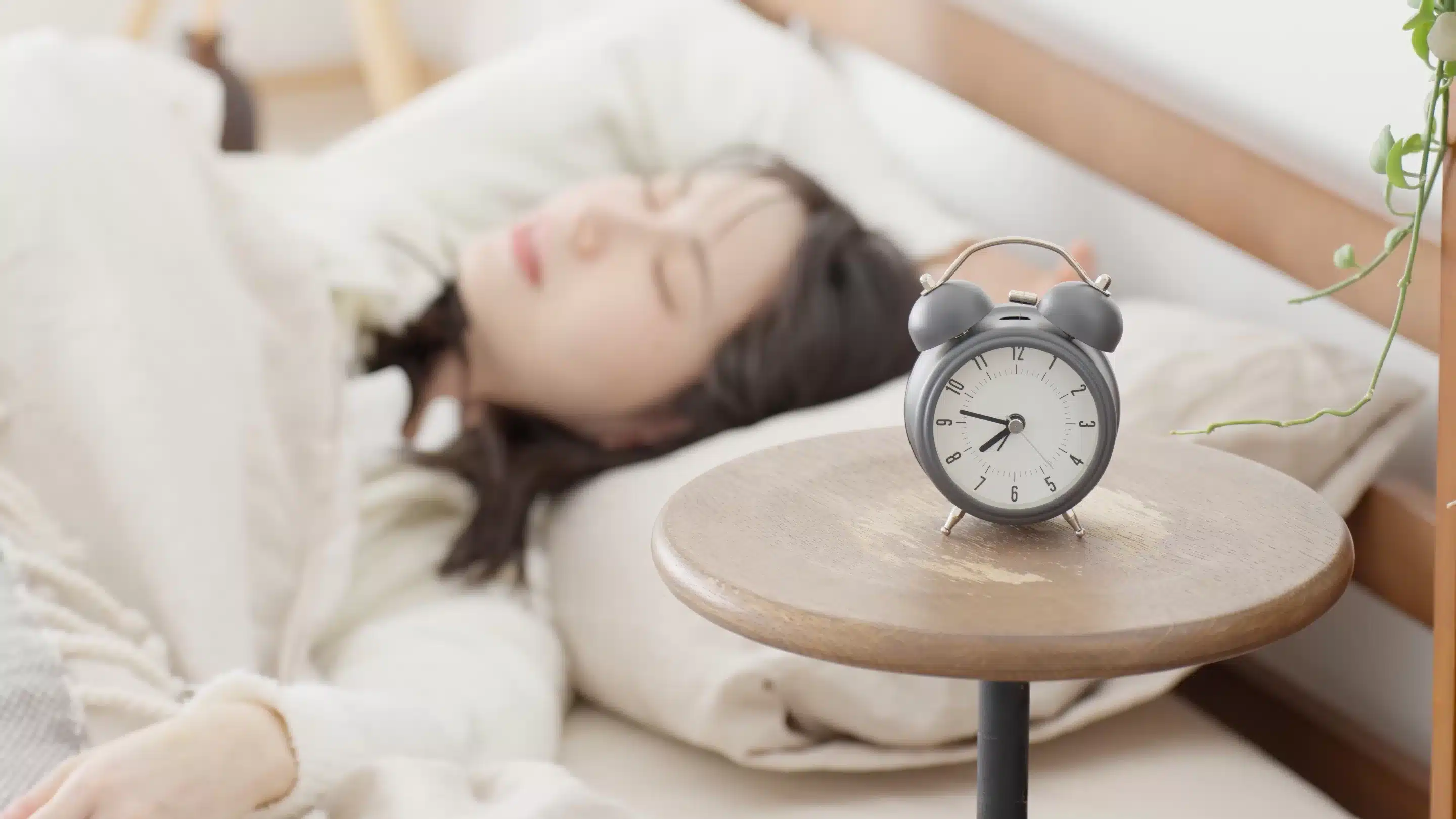
One of the most important things you can do for your sleep is establish a regular bed time and wake up time. Your body has a natural biological rhythm, and if you sleep at the same time, it makes your brain more likely to feel sleepy and awake at the same times each day. It is important to wake up at the same time each day, even the weekends, even if you feel tired at that time. For example, on Saturday, try to wake up at 7 AM or 8 AM if you typically wake up at that time during the week. Don’t sleep late on the weekends, even if you didn’t sleep well the night before.
Establish a bedtime routine. Do the same things before bed, then fall asleep in the same positions. It will train your brain to associate this pattern with sleep.
- Turn off electronics.
- Take a warm bath/shower
- Use aromatherapy
- Meditate
- Do deep breathing exercises
- Read a book (in a room other than the bedroom)

2. Get cold!

Your body needs to reduce its temperature by a couple of degrees just before and during sleep. You can make this easier for yourself by keeping the room slightly colder than you normally would during the day.
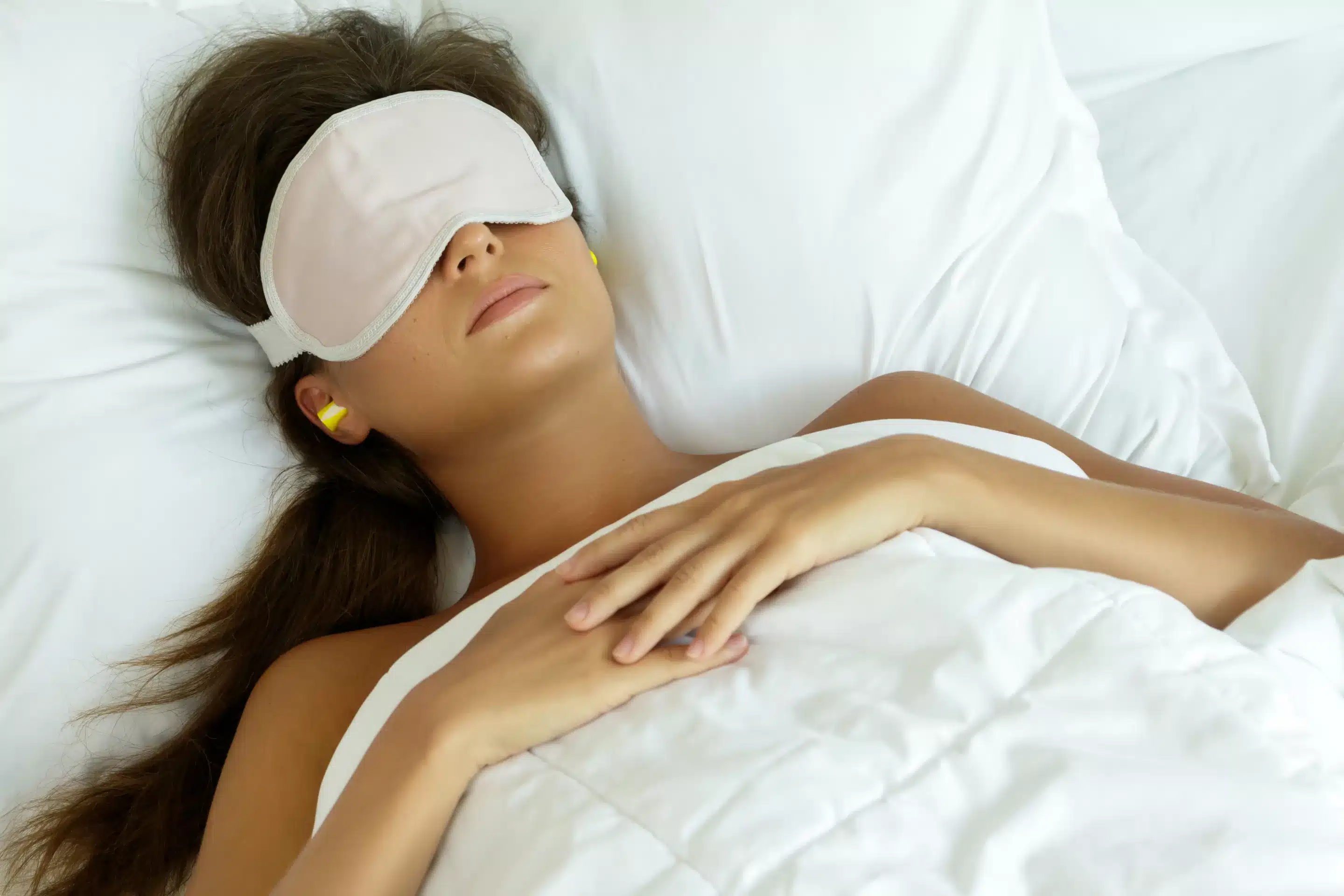
Your environment makes a big difference in how well you sleep: the temperature, sounds, brightness, all have an effect. Make sure that your bedroom is completely dark, for the entire duration you want to sleep. This will make you sleep deeper.
Consider using a light box in the 1-2 hours after awakening to help your circadian rhythm.
3. Keep the bed for sleep and only sleep.

Have you ever associated certain smells or sounds with a particular memory? Your bed does the same thing for your brain. You need to only associate your bed with sleep. Avoid reading, watching TV, or eating in bed. Don’t stay in bed after your alarm goes off.
4. If you can’t fall asleep, get out of bed and do something else.

The average person falls asleep in about 20-30 minutes. This is normal. Sometimes people expect to fall asleep in just a few minutes. If it takes you more than 30 minutes, get up, leave the bedroom, and go to a dimly lit area and read a book or magazine for 5-10 minutes then go back into bed and try again. But
5. Avoid anything that would interfere with sleep.
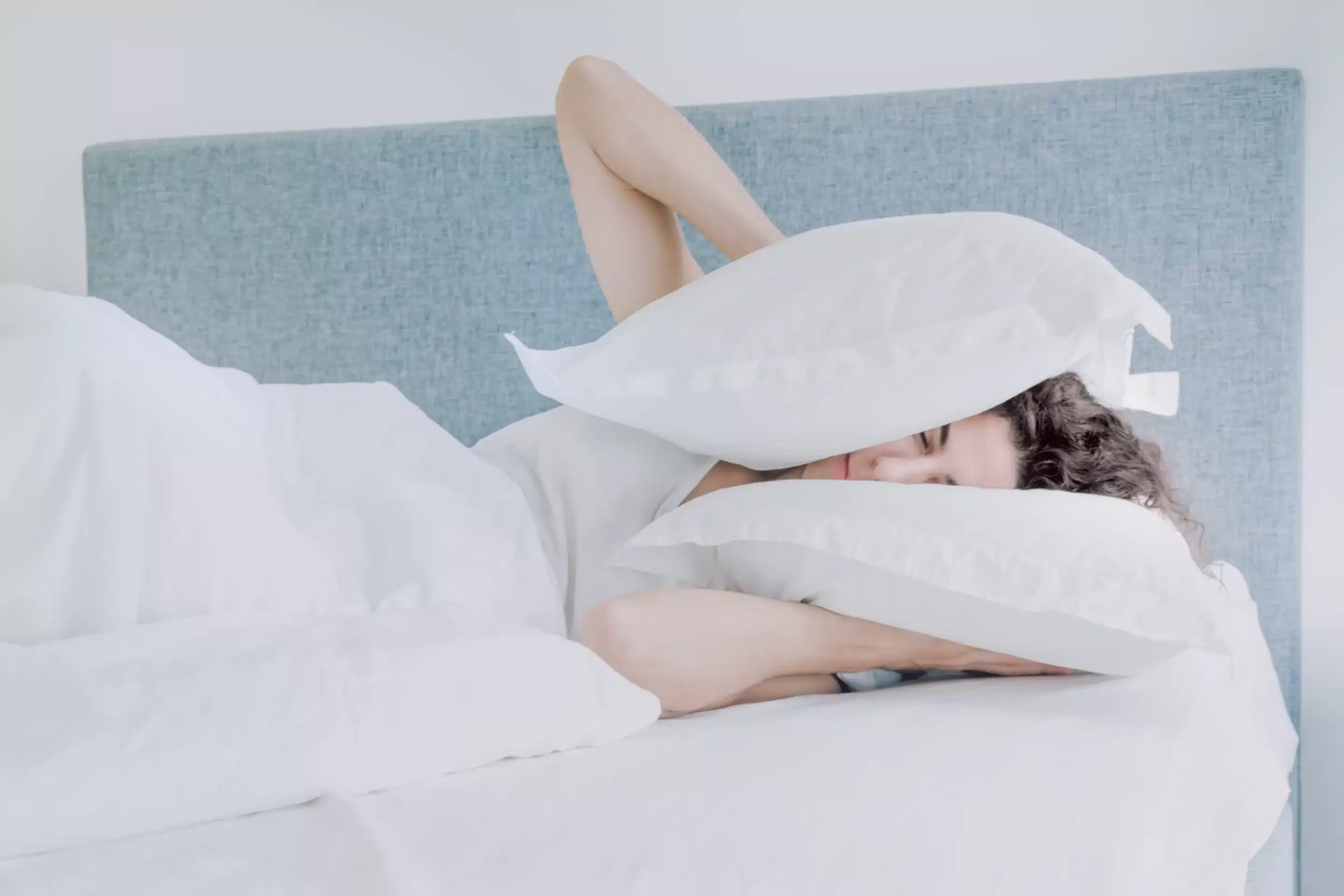
Avoid napping or exercising in the late afternoon or evening. Instead, exercise in the morning or midday. Alcohol may make it seem like you fall asleep better, but as the alcohol wears off, your body will naturally wake up making your sleep more fragmented. If you find yourself waking up in the middle of the night to urinate, avoid drinking much fluid before bedtime. Avoid blue light from your laptop, phone, TV, or tablet device for 1-2 hours before bed.
6. If you are sleeping more than 8 hours, yet still don’t feel rested, see a doctor.

Obstructive sleep apnea is a common condition, and can lead to daytime fatigue, non-restorative sleep, morning headaches, high blood pressure, difficulty concentrating, and memory problems. If you decide to go see a doctor, record a 2 week sleep diary in order to make the most out of that visit.