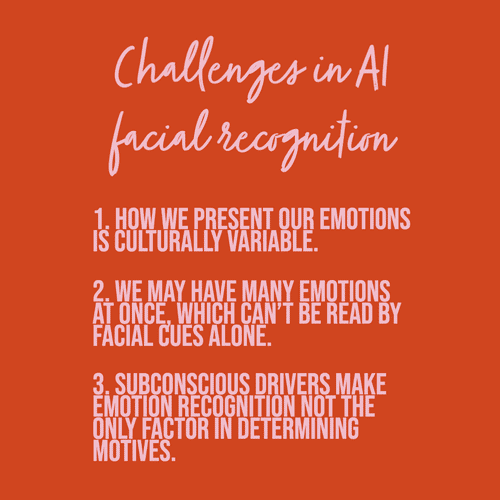
Challenges in Artificial Intelligence (AI) facial (affect) recognition
- How we present our emotions is culturally variable
- We have many emotions at once which can’t be read by facial cues alone.
- Subconscious drivers make emotion recognition not the only factor in determining motives or future decisions.
AI is changing the way we think about mental health. It’s not just replacing human therapists; it’s also helping us understand our own minds better than ever before.
AI is transforming mental healthcare by providing new ways to diagnose and treat patients. But there are still many challenges ahead.
In this article, we’ll explore five ways AI could change mental healthcare.
What is Artificial Intelligence?
Artificial Intelligence (AI) is an umbrella term that covers many different technologies. It includes computer programs that mimic human thinking and decision making. These programs are called “artificial neural networks” or ANNs. They learn by analyzing data and then use this information to predict future outcomes.
The Rise of Deep Learning
In recent years, deep learning has become one of the hottest topics in artificial intelligence. This type of machine learning uses multiple layers of processing to analyze large amounts of data. It’s also known as “deep learning.”
The Future of Cognitive Computing
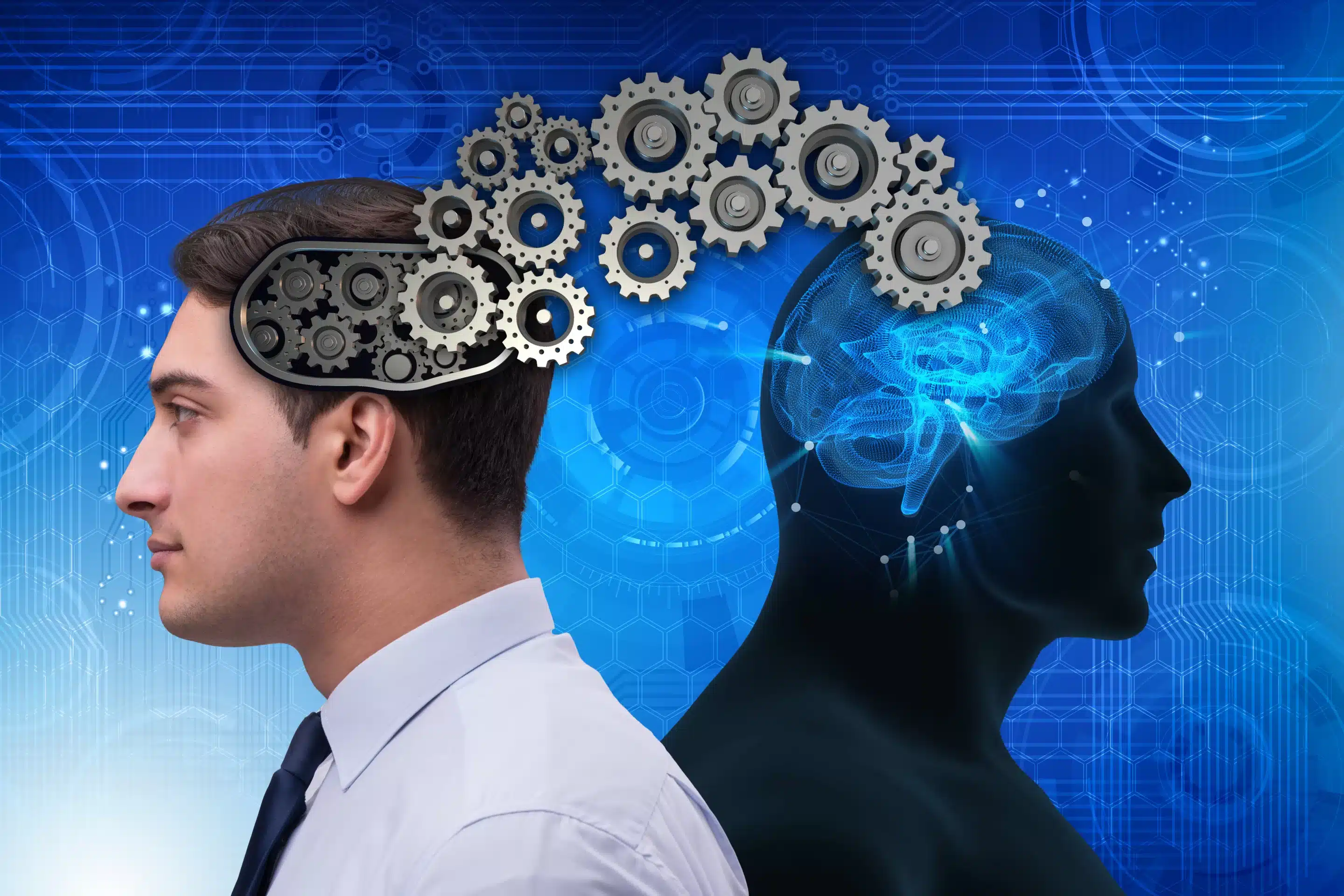
Deep learning is just one of several technologies that will transform how we think about cognitive computing. These technologies are already changing our lives in ways we never imagined. They’re making it possible to understand speech and text with machines, recognize faces and objects, and even predict human behavior.
The Role of Machine Learning
In recent years, machine learning has become an increasingly popular method for developing applications that use data to make predictions. This technology allows computers to learn without explicitly programming them. It’s also known as artificial intelligence because it mimics the way humans learn.
The Impact of Big Data Analytics
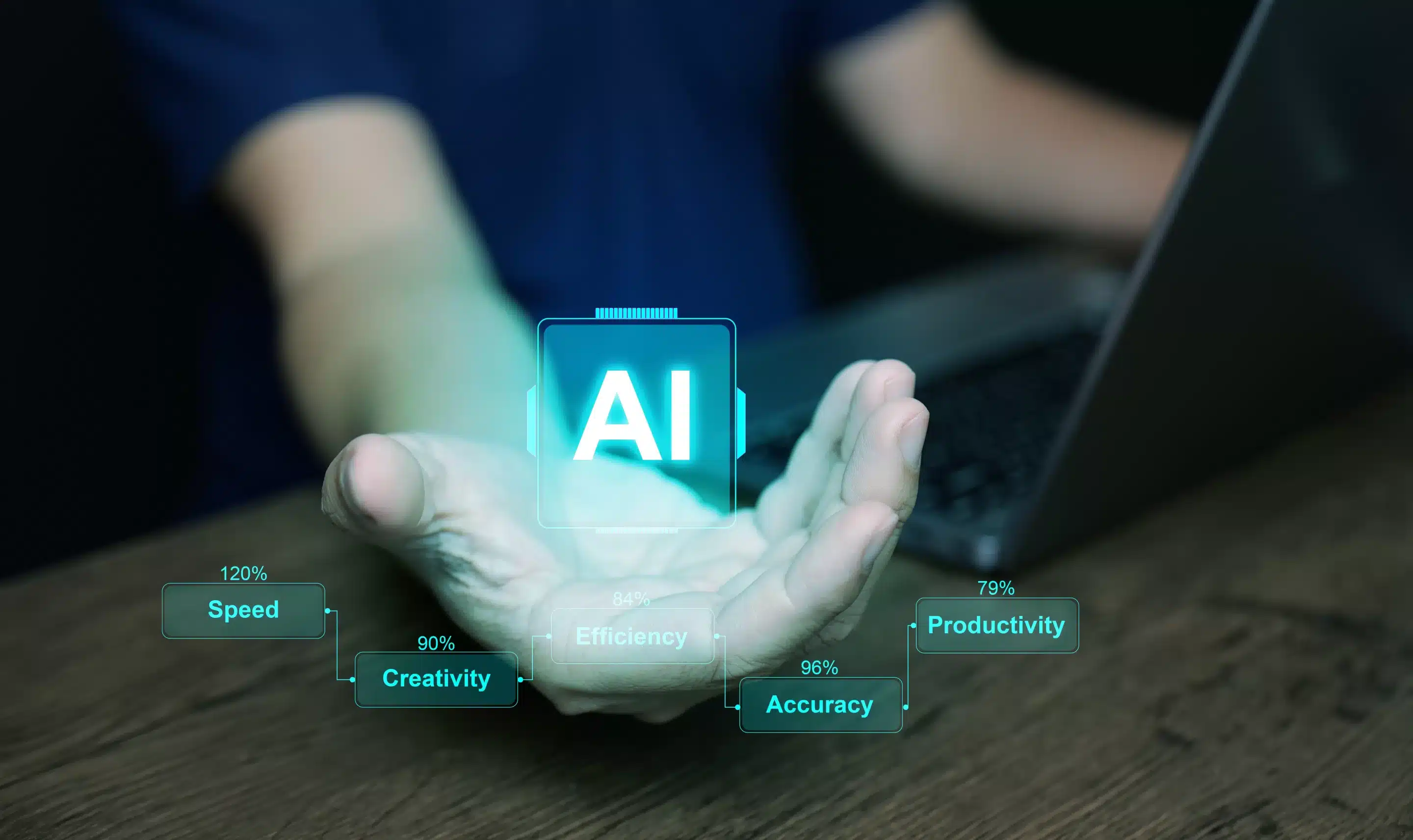
Machine learning algorithms can analyze large amounts of data to identify patterns and trends. They can then use those insights to predict future events with greater accuracy than traditional methods. These technologies are already being applied to healthcare, where they’re helping doctors diagnose diseases earlier and more accurately.
The Promise of Personalized Medicine

In addition to improving diagnosis, machine learning algorithms can also help us understand how people think and feel. This knowledge can be used to develop new treatments and therapies. For example, researchers at Stanford University recently developed an algorithm that uses text analysis to determine whether patients will respond well to antidepressants.
If you are struggling with substance or alcohol use, depression, or anxiety, intensive outpatient may be right for you. Contact us at (888) 730-5220 or contact us to begin the process of healing today!