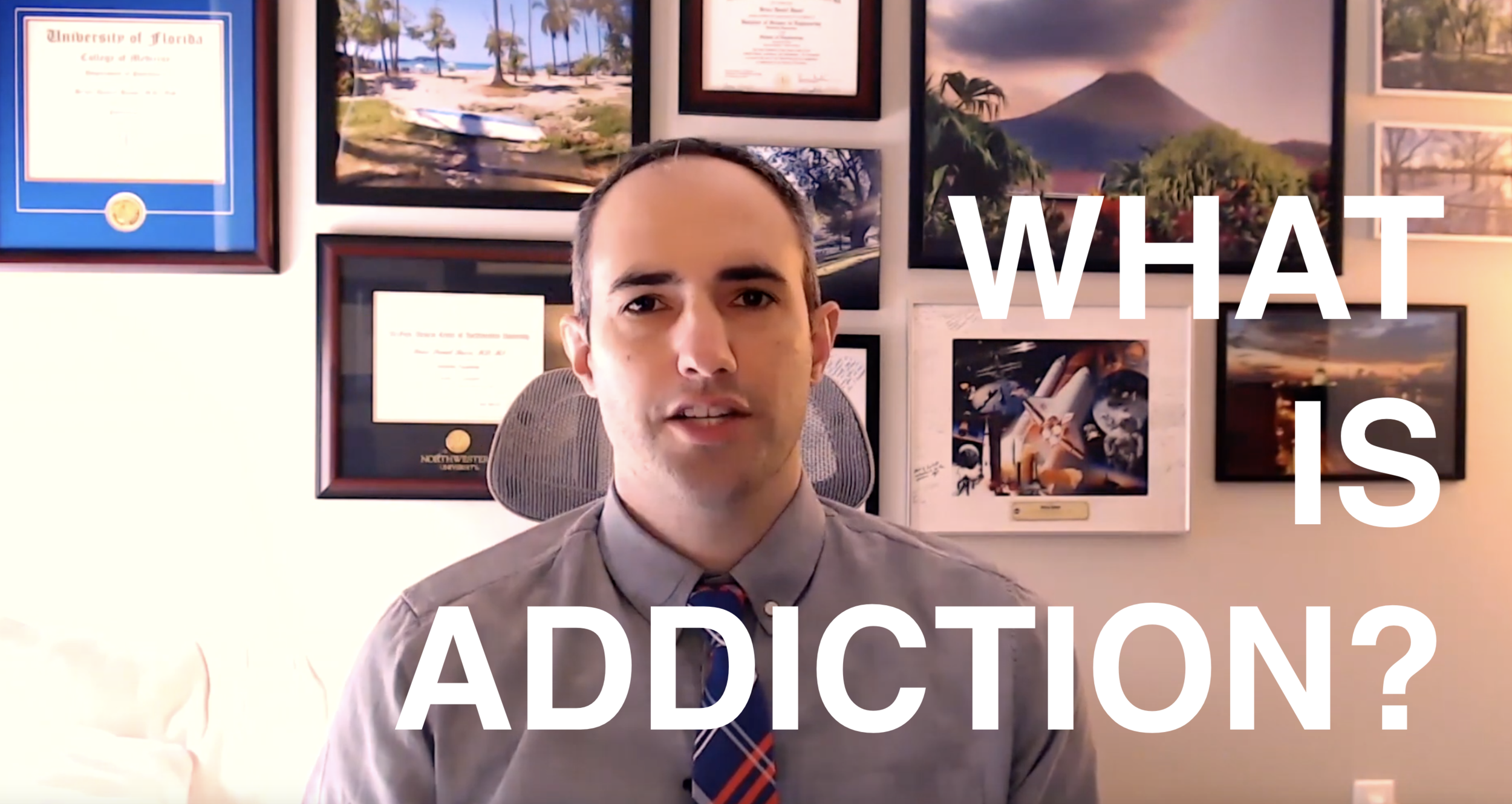
Addiction is a process and pattern with biologic, psychologic and social components that lead to continued use of a substance or continuation of a behavior despite negative consequences. The key here being prolonged use despite negative consequences.
There are proven underlying biologic mechanisms that can predispose and perpetuate an addiction. Psychologic factors, such as depression, anxiety, and insomnia can also contribute to addiction. Social factors, such as isolation or codependency can also contribute. Since there are many factors that can perpetuate addiction, people often think that addiction is a choice, forgetting about what began the addictive process in the first place. But the single best piece of evidence against the choice argument is that there are known biologic underpinnings to addiction. When the brain is hijacked by seeking the feeling of the substance or behavior, any rational thought originating from the prefrontal cortex is ignored by the rest of the brain.
But where do the limits of normal behavior end and where does an addiction begin? This can be difficult to differentiate and might not be obvious. Recognizing the issue can be a major challenge, and people don’t usually seek help until it their use or behavior causes a problem, although even then, this still doesn’t bring people in for treatment.
Like most things in psychiatry, this issue lies on a spectrum of severity. People who normally consume alcohol would find they can drink 1 or 2 drinks in a night and call it a night. If plans change and new plans don’t involve alcohol, that person wont have cravings to drink. Their alcohol use will not have any impact on their ability to go to work the next day, and they won’t get into a fight with their spouse about their alcohol use. They won’t need to use more and more to get the same buzz.
On the other hand, someone might find themself drinking or using more than they had intended. For example, instead of going out with a friend and having 1 drink, it might lead to 5 or 10 drinks. This is called the compulsive part of addiction. They might notice it contributes to poor work performance, forgetting tasks or missing deadlines. They might not do tasks they typically do around the house or with their friends or kids due to alcohol. They might put themselves in danger while drinking, either by driving, riding a bike, passing out in the cold, or getting lost. They might cause themselves physical harm, yet continue drinking. The physical harm can be in the short term or long term. Short term consequences would be falling, blacking out or vomiting. Long-term consequences can be memory loss, nerve damage, stomach damage, or liver damage.
If you can identify with any of these examples, I would suggest that you find an addiction therapist or addiction psychiatrist for an evaluation.